
📑 Table of Contents
- 📈 Understanding SEO for Developers: Boosting Rankings with Code
- 🏗️ 1. SEO-Friendly URL Structure
- 🏷️ 2. Proper HTML Structure (Semantic HTML)
- ⚡ 3. Site Speed and Performance
- 📱 4. Mobile Friendliness
- 🗺️ 5. Sitemap and Robots.txt
- 🔗 6. Internal Linking Strategy
- 📝 7. Content and Keyword Optimization
- 🔍 8. Using Google Search Console and Analytics
- 🎯 Conclusion
📈 Understanding SEO for Developers: Boosting Rankings with Code
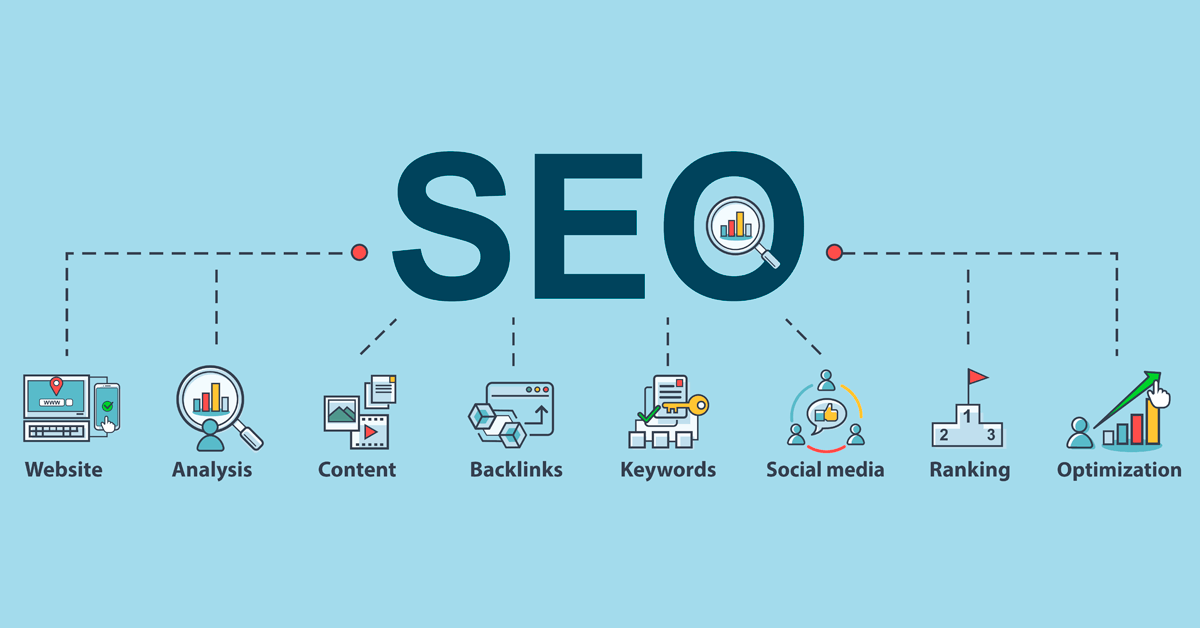
SEO is an often overlooked but critical area for web developers. Proper code structure can help your site rank higher in search engines. Here are SEO tips for developers.
🏗️ 1. SEO-Friendly URL Structure
URLs should be meaningful to both users and search engines:
- Use meaningful URLs - /product/category/product-name
- Keep them short and descriptive - Avoid unnecessary words
- Use hyphens to separate words - Use hyphens (-) not underscores
- Use lowercase letters - All URLs in lowercase
- Avoid dynamic parameters - Use meaningful URLs instead of ?id=123
🏷️ 2. Proper HTML Structure (Semantic HTML)
Search engines use semantic tags to understand HTML structure:
- H1, H2, H3 heading tags - Hierarchical heading structure
- Semantic tags - header, nav, main, article, section, footer
- Schema.org structured data - For rich results
- Meta tags - title, description, robots
- Open Graph tags - For social media sharing
⚡ 3. Site Speed and Performance
Site speed is one of Google's most important ranking factors:
- Optimize Core Web Vitals - LCP, FID, CLS
- Reduce server response time - TTFB
- Minify code size - Minify CSS, JS, HTML
- Use caching - Browser and server caching
- Optimize images - WebP, lazy loading, correct size
📱 4. Mobile Friendliness
Google uses mobile-first indexing:
- Responsive design - Works on all screen sizes
- Touch interactions - Large, easy-to-tap buttons
- Readable font sizes - Fonts above 16px
- Test mobile compatibility - Google Mobile-Friendly Test
- Use AMP - Accelerated Mobile Pages
🗺️ 5. Sitemap and Robots.txt
Tell search engines which pages to index:
- XML Sitemap - Lists all important pages
- Robots.txt - Specifies which pages to crawl
- Submit sitemap to Google Search Console
- Automatic sitemap updates - When new content is added
- Block unnecessary pages - Admin, backup pages
🔗 6. Internal Linking Strategy
Internal links distribute authority and guide users:
- Meaningful link text - Descriptive text instead of "click here"
- Link hierarchy - From homepage to subpages
- Deep linking - Links from homepage to deep pages
- Breadcrumb navigation - Shows user location
- Related content links - Links between similar topics
📝 7. Content and Keyword Optimization
Content is the most important part of SEO:
- Keyword research - Know which keywords to target
- Use keywords naturally - Don't overuse keywords
- Keywords in headings - Use in H1, H2, H3
- Keywords in meta description - Under 160 characters
- LSI keywords - Use related keywords
🔍 8. Using Google Search Console and Analytics
Data allows you to continuously improve your strategy:
- Google Search Console - Indexing, errors, keyword performance
- Google Analytics - Visitor behavior, conversions
- Regular reporting - Weekly/monthly performance tracking
- Fix errors - 404, 500, redirect errors
- Track Core Web Vitals - In Google Search Console
🎯 Conclusion
SEO is not just the job of content writers. Developers directly affect your site's search engine success through proper code structure and optimization. Apply the tips above to improve your site's SEO performance.
Looking to optimize your site's SEO professionally? Get in touch today.



Comments (0)
Leave a Comment
You must login to comment.
No comments yet. Be the first to comment!